The Psychology Of Watching Others React To A Wheel Result
15 August 2026 | 279
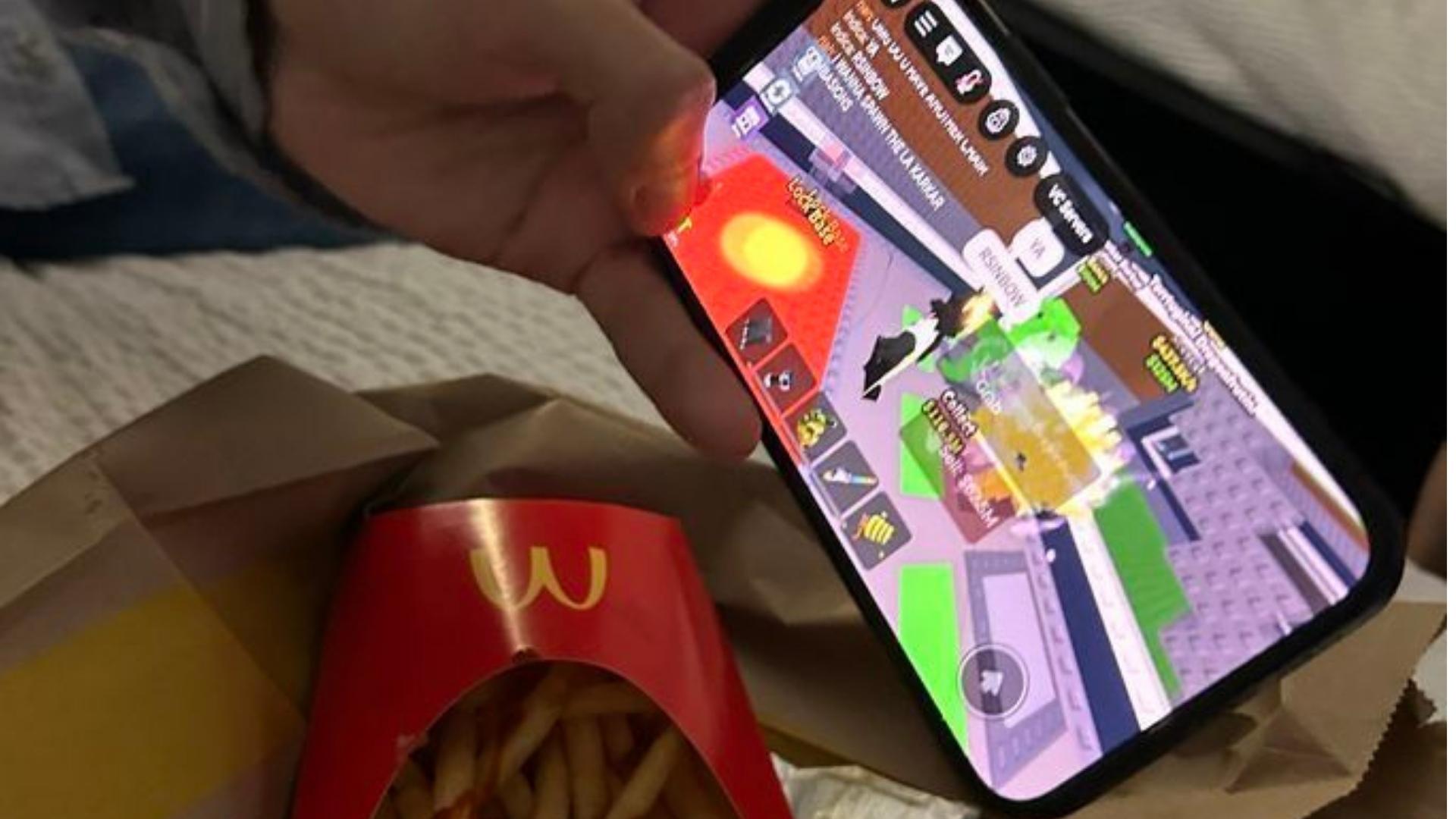
Observing someone else as they wait for the outcome of a randomized wheel spin creates a captivating psychological dynamic. The intense facial expressions, nervous body language, and sudden emotional outbursts make spectator engagement surprisingly deep. Understanding why people find these moments so absorbing involves examining human empathy, social observation, and brain mechanisms.
The Power of Mirror Neurons in Spectator Joy
When we watch someone react to a prize wheel, specialized brain cells known as mirror neurons activate within our minds. These neural networks allow observers to experience a mirrored version of the emotional high or disappointment felt by the player. Consequently, the audience experiences a shared sense of drama without taking any personal financial or physical risk.
This empathetic connection turns passive viewing into an active emotional journey for the spectator. Watching pure surprise unfold on another person's face triggers a natural dopamine response in the observer. The unpredictability of the spin heightens this effect, keeping everyone's focus locked on the final reveal.
Social Validation and Expressive Behavior
Human reactions to chance outcomes are rarely quiet when an audience is present. Players tend to amplify their joy or shock to communicate their feelings to those watching nearby. This nonverbal interaction creates a feedback loop that heightens the overall energy of the room or online stream.
Spectators naturally enjoy watching these unscripted moments of genuine emotion because authentic reactions are socially contagious. Whether in live game shows or streaming communities, public reactions turn random selection tools into compelling entertainment. Users visiting dynamic platforms via m88 msports login often observe similar collective excitement during real-time interactive events.
The Neurobiology of Vicarious Anticipation
Anticipation builds rapidly as the wheel slows down and the pointer clicks past each distinct section. During these brief seconds, observers process visual cues to predict how the player will react when the wheel halts completely. The human brain naturally enjoys predicting emotional outcomes, making the final reaction deeply satisfying to witness.
If the result leads to a near-miss or a unexpected win, the emotional expression becomes even more dramatic. Spectators subconsciously compare what they expected to happen against the player's actual reaction. This cognitive contrast keeps the viewer mentally stimulated throughout the entire process.
Why Unscripted Human Reactions Captivate Us
In a world dominated by carefully edited media, raw and spontaneous reactions offer a refreshing sense of reality. A spinning wheel guarantees an authentic outcome that cannot be faked or rehearsed in advance. Observing someone respond to pure chance fulfills our innate human desire for unscripted truth and social connection.
Ultimately, watching others react to random outcomes builds a unique form of community engagement. The shared tension before the spin and the collective laughter after the result unite participants and observers alike. These psychological drivers ensure that wheel games remain universally popular across various media formats.