The Influence Of European Playing Cards On Digital Gaming
11 November 2026 | 67
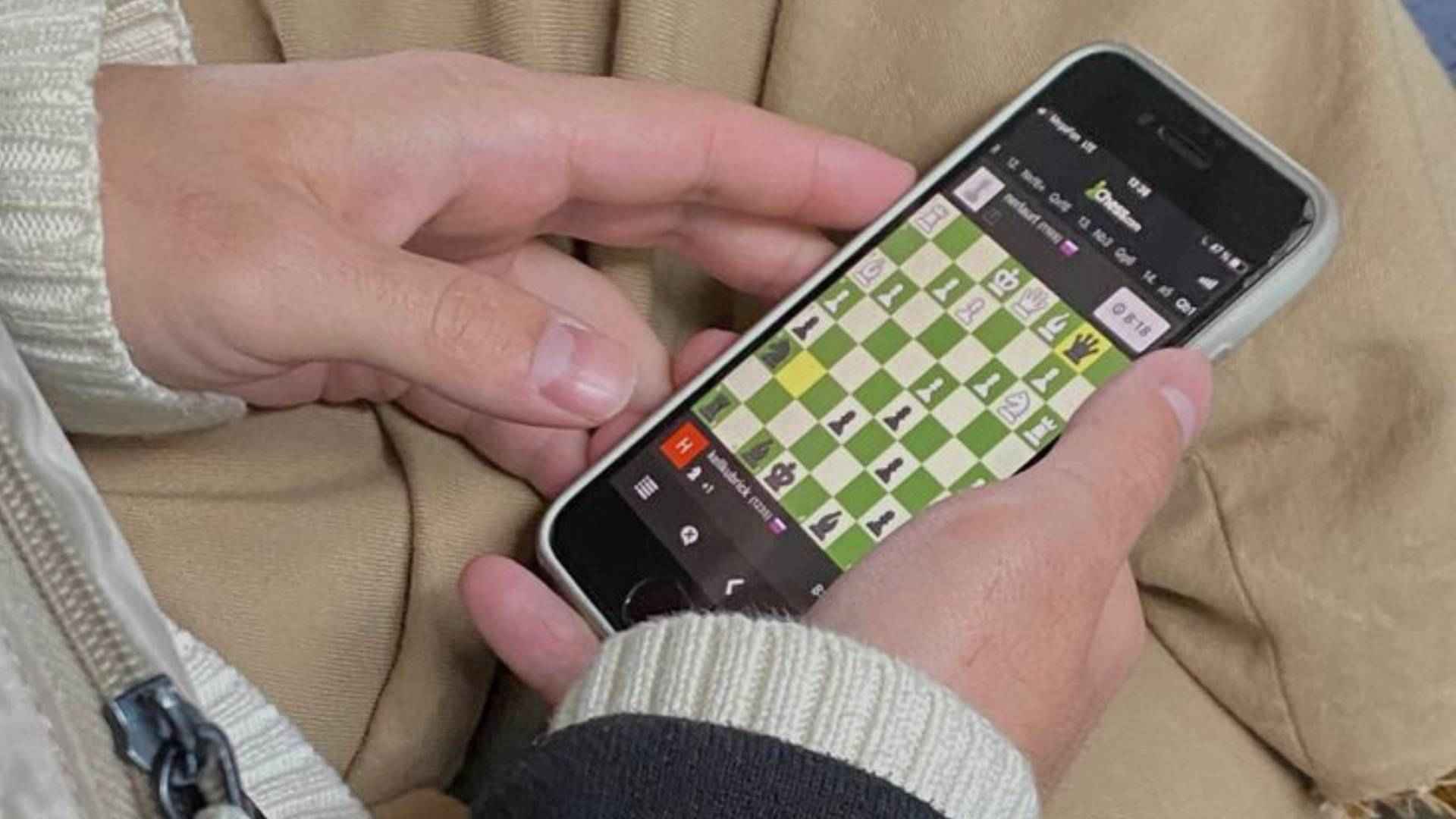
European playing cards have played a pivotal role in shaping the foundation of modern game design. Centuries before the invention of video games, European regions introduced distinct suit systems, trick-taking mechanics, and strategic hand evaluations that still govern digital mechanics today. Understanding this historical crossover offers fascinating insights into how physical traditions continually inspire modern software developers.
The Legacy of European Suit Systems and Artistry
The transition of playing cards across Europe led to distinct suit designs, such as the French suits of hearts, diamonds, clubs, and spades. These standardized icons provided an intuitive visual language that easily translated into early computer displays and touchscreen interfaces. Today, game developers rely on these familiar symbols to create instant recognition for players across various digital genres.
Beyond visual icons, European card decks established structural hierarchies that digital engines use to calculate values and outcomes. Numerical rankings paired with court cards established early frameworks for resource balancing and power dynamics. This historical iconography remains a fundamental building block for both casual puzzle games and complex strategy titles.
Translating Trick-Taking and Set Mechanics to Code
Classic European card games such as Skat, Whist, and Tarot emphasized trick-taking, hidden information, and cooperative signaling. Modern programmers frequently adapt these exact rules into computer algorithms to govern artificial intelligence opponents and online matchmaking. These mechanics ensure that digital matches retain the psychological tension and strategic depth of physical tabletop play.
Furthermore, sequence-building traditions inspired by European card play heavily influence modern mobile applications. Mobile platforms hosting classic and modern card experiences often feature intuitive user interfaces that emulate the feel of dealing real cards. Players looking for engaging mobile card entertainment can explore options like the m88 game apk to experience dynamic gameplay on handheld devices.
The Evolution into Digital Strategy and Deck Builders
The strategic principles rooted in European card traditions extended directly into the design of modern collectible card games (CCGs) and digital deck builders. Concepts like hand management, turn-based play, and discard piles are direct digital adaptations of centuries-old card mechanics. These elements encourage players to think several moves ahead while managing dynamic probability.
Additionally, modern video games frequently incorporate mini-games inspired by historical card variations to enrich their virtual worlds. Whether navigating a narrative role-playing game or competing in online arenas, players regularly encounter card-based mechanics that trace their lineage back to medieval European parlors. This ongoing integration highlights the timeless flexibility of card-based game design.
Why Historical Card Traditions Endure in the Digital Era
The enduring popularity of European card designs in digital gaming stems from their perfect balance of simplicity and tactical depth. By offering clear rules combined with endless strategic possibilities, traditional card concepts remain highly accessible to global audiences. As gaming technology continues to advance, the centuries-old legacy of European playing cards will undoubtedly shape future innovations in interactive entertainment.